
Creating Impact | Catalysing Ecosystems

Building Malaysia’s Professional Care Economy
Building Malaysia’s Professional Care Economy
Impact Statement
The Challenge
The Solution
How Investment Helped
Looking Ahead
Kiddocare is transforming access and delivery of childcare in Malaysia by building a professional care economy. Connecting families with trained, vetted caregivers, the platform addresses childcare challenges on both sides of the market, creating professional pathways for care workers, while strengthening women’s workforce participation.
Impact Statement
An electrical engineer by training and an entrepreneur for over two decades, Nadira Yusoff had spent years building technology ventures while raising six children, at times, as a single parent. She had navigated the guilt, the logistical strain, and the uncertainty of leaving children in the care of people she could not fully verify or trust. One evening, after a missed school pickup, her daughter looked up at her and asked: “Ibu, do you not love me anymore?”. That question, and the weight it carried, became the founding conviction behind Kiddocare.
Working closely with women’s organisations and female entrepreneurs across Malaysia, Nadira recognised that her experience was far from unique. Across the country, working mothers were making an impossible tradeoff: remain in careers that depended on reliable care arrangements that did not exist, or step back from work altogether. The informal childcare market was fragmented, unregulated, and built almost entirely on personal referrals and chance. At the same time, the women doing care work, many of whom came from underserved communities, were earning poverty-level wages in conventional centres with no formal career pathway and no professional recognition for what they did. Nadira saw both sides as problems long overdue for a solution, and that the same technology she had spent two decades developing, such as secure user management databases, automated scheduling engines, and digital Learning Management Systems (LMS), could help transform it.
In 2018, she launched Kiddocare on International Women’s Day, a deliberate choice that signalled the platform’s purpose to help Malaysian mothers. Malaysia’s first on-demand childcare platform, Kiddocare connects families with trained, vetted caregivers through a digital marketplace built around safety, transparency, and trust. Beyond matching, the firm operates Kiddocare Academy, its own training institution offering programmes in early childhood care, counselling, and an upcoming programme in eldercare. Kiddocare Academy enables caregivers to build formal credentials to advance their skills and careers.

The early years of building Kiddocare were unforgiving. Nadira was building both supply and demand sides simultaneously, earning the trust of families who had never used an app-based caregiving service while recruiting and training caregivers who had never worked within a formal professional structure. When COVID-19 arrived in 2020, Kiddocare pivoted quickly to serve healthcare frontliners and essential workers, discovering in crisis conditions the genuine need for reliable caregiving. The experience reinforced the platform’s purpose and demonstrated the resilience of the model.
Today, Kiddocare operates as a full-service caregiving platform, connecting tens of thousands of families nationwide with a network of more than 22,000 professional caregivers. The company has expanded from the Klang Valley into cities across Peninsular Malaysia, and built a care hub that helps families navigate the broader landscape of government-registered childcare providers. What began as a mother’s search for reliable care has evolved into a platform helping to professionalise and strengthen Malaysia’s care economy. and strengthen Malaysia’s care economy.
The Challenge
The Hidden Cost of Malaysia’s Care Economy Gap
When Kiddocare was founded, Malaysia’s female labour force participation rate stood at just 39.2%, one of the lowest among middle-income economies in the region. Behind that figure is a pattern Nadira observed long before she founded the company. Women were leaving or avoiding careers, not for a lack of ability or ambition, but because the childcare supports needed were unavailable or unreliable. The data reflects the scale of the challenge. An estimated 1 out of 3 Malaysian women leave employment because of childcare responsibilities, while 6 out of 10 female graduates do not seek work upon completing their studies due to home and caregiving commitments. Malaysian women also spend 63.6% more time on unpaid care work than men, often bearing the dual responsibilities of caring for young children while supporting ageing and ailing parents as part of the “sandwich generation”. This structural imbalance continues to constrain women’s participation in the workforce.
For working parents, the challenge is both one of supply and trust. Malaysia has demand for approximately 42,000 registered childcare centres, but only around 4,000 are currently operating. Affordability challenges for families, severe talent attrition, and a lengthy licensing process continue to constrain the sector. This gap pushes many families towards an informal market characterised by word-of-mouth referrals, inconsistent quality, and limited accountability. As Nadira observed while building Kiddocare, the key question parents were asking was who could they trust with their children. There was no reliable mechanism for verifying a caregiver’s background, qualifications, or conduct. Families were therefore left to make high-stakes decisions with limited information and few avenues for recourse.
On the other side of the market, the women providing childcare faced challenges of their own. In conventional childcare centres, wages typically range between RM700 and RM1,200 per month, offering little financial security and limited opportunities for career progression. Yet caregiving is far from unskilled work. It requires emotional intelligence, attentiveness, and an understanding of child development that many professional roles never demand. For the B40 women, single mothers, and members of underserved communities who made up much of the informal caregiver workforce, the issue extended beyond low pay. It reflected a broader pattern of exclusion from economic opportunity, professional recognition, and pathways for advancement.
Impact to Date
(as of early 2026)
Families served:

0

0

0

0

“Every mother, working mom or not, the moment you feel like you’re losing your mind or you’re not giving enough, this is when you need help. We are supporting women’s participation rate. We are enabling women to come into the workforce and remain in the workforce right after childbirth.”

The Solution
A Two-Sided Platform for Malaysia’s Care Economy
Kiddocare’s response to Malaysia’s childcare gap was not to build more centres. It was to build a digital platform that connects trained, vetted caregivers directly with families. By replacing the fixed-cost, fixed-location constraints of traditional childcare with a flexible platform, Kiddocare enables parents to search for caregivers based on location, availability, and their child’s specific needs, including support for children with special needs. At the same time, caregivers can choose when and how much they work, creating greater flexibility on both sides of the market.
For families, the platform is built around trust. “I have trust issues when it comes to people who can care for my toddler twin boys,” shared Monasha, a mother of toddler twins. Her concerns made it difficult to find someone she felt confident entrusting with their care.
Kiddocare understands these concerns, which are shared by many parents. Before joining the platform, caregivers undergo criminal background checks, psychometric assessments, medical examinations, face-to-face interviews, and professional training. Once a booking begins, parents receive regular updates throughout the care session. This system of verification and transparency sits at the heart of the platform. Trust is not an additional feature of the service. It is the foundation on which the service is built.
For Monasha, this approach made all the difference. “Such a privilege to have Kiddocare and their carers in my life. [My boys and the Kiddocare carer] got along instantly and I would love for her to babysit them again. So happy to have a service like this made available!”
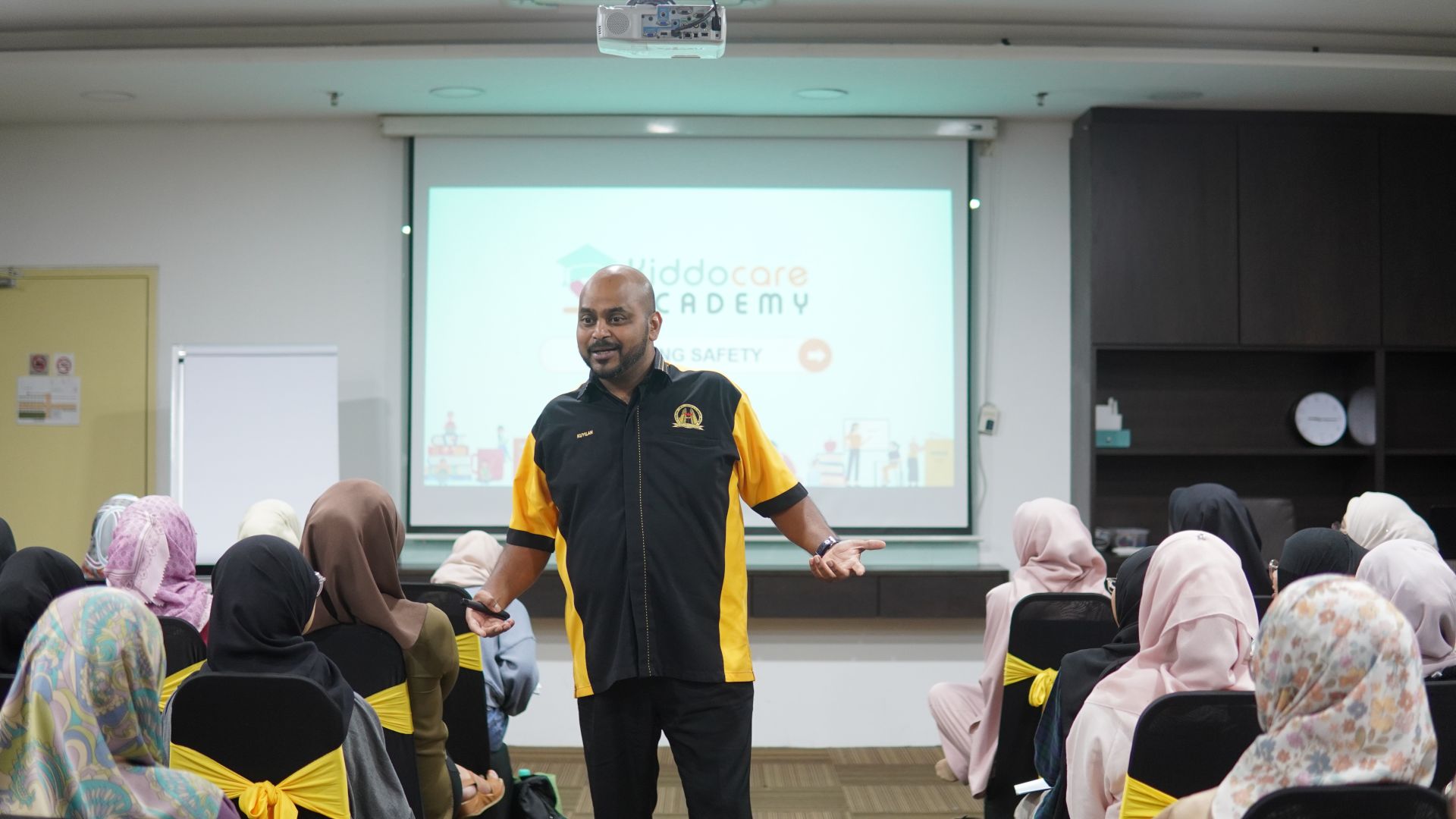
For caregivers, Kiddocare, through its Kiddocare Academy, has professionalised a workforce that had long been undervalued. The Academy serves as a recruitment pipeline and a pathway for career progression. Caregivers can acquire specialist skills, transition into new areas of care, establish their own childcare centres, and increase their earning potential. Active caregivers on the platform can earn between RM1,500 and RM2,000 per week, between five to eleven times what is typical in conventional childcare centres. For many carers, this is often a lifeline. Zaharah, a Kiddocarer, shared how Kiddocare not only helped her through the COVID-19 period where she did not have any stable income, but it also helped her pay off her debt. “Kiddocare has saved me. By being a carer, I can pay off my debt little by little.”
The Kiddocare model also benefits children directly. All Kiddocarers are trained in child development and developmental milestones, recognising that every interaction with a caregiver contributes to a child’s growth and wellbeing. The trained caregivers support learning and nurture healthy development during a critical stage of life.
Beyond childcare, the platform enables more women to remain in or return to the workforce after childbirth. For others, flexible caregiving arrangements create the time and stability needed to pursue entrepreneurship, part-time work, or other economic opportunities. In doing so, Kiddocare creates a win-win solution, allowing women to participate in the economy, while creating new professional pathways for caregivers themselves, strengthening both sides of Malaysia’s care economy.
How Investment Helped
Credibility, Capital, and the Conditions for Scale
In 2023, Kiddocare closed its Pre-Series A round led by Artem Ventures and joined by Gobi Partners through Gobi Dana Impak Ventures Fund (GDIV), MSW Ventures Asia Fund X, and ScaleUp Malaysia. GDIV is a Khazanah backed venture capital fund under the Dana Impak mandate, managed by Gobi Partners.. GDIV targets Malaysian startups with clear socioeconomic impact in the areas of decent work, social mobility, and digital economic participation. The Kiddocare model, enabling working mothers to remain in employment while lifting caregivers out of low-income work, aligned well with that mandate.
For Kiddocare, the significance of the investment extended well beyond capital. Trust is the foundation of every part of the platform; from the multi-step caregiver vetting process to the real-time session updates sent to parents, every design decision was made to give families the confidence to allow a caregiver into their home. Having Khazanah as an investor added an institutional layer of trust that directly strengthened Kiddocare’s credibility. The institutional recognition given to a woman-founded company operating in an undervalued sector, often overlooked by conventional venture capital, carried weight beyond its financial value.
The practical benefits of the Khazanah’s partnership also encompassed company operations. The investment, together with the support received from Kiddocare’s other fund partners, brought exposure to governance structures, reporting mechanisms, and financial discipline that the firm might otherwise have taken years to develop. Nadira described this as one of the more meaningful aspects of the relationship. “Having Khazanah’s Dana Impak as one of our investors and great supporters adds to our credibility. But at the same time, it forces us to be a credible company ourselves.” Khazanah’s Dana Impak has helped shape the company toward what it aspires to become. Kiddocare holds a listing ambition within the next few years, and the governance standards introduced through the Khazanah’s Dana Impak partnership laying the groundwork to make that journey a successful one. The investment also connected Kiddocare with advisers and partners who could support its impact reporting and growth strategy, reinforcing Nadira’s conviction that scaling the company’s impact would enable its growth.
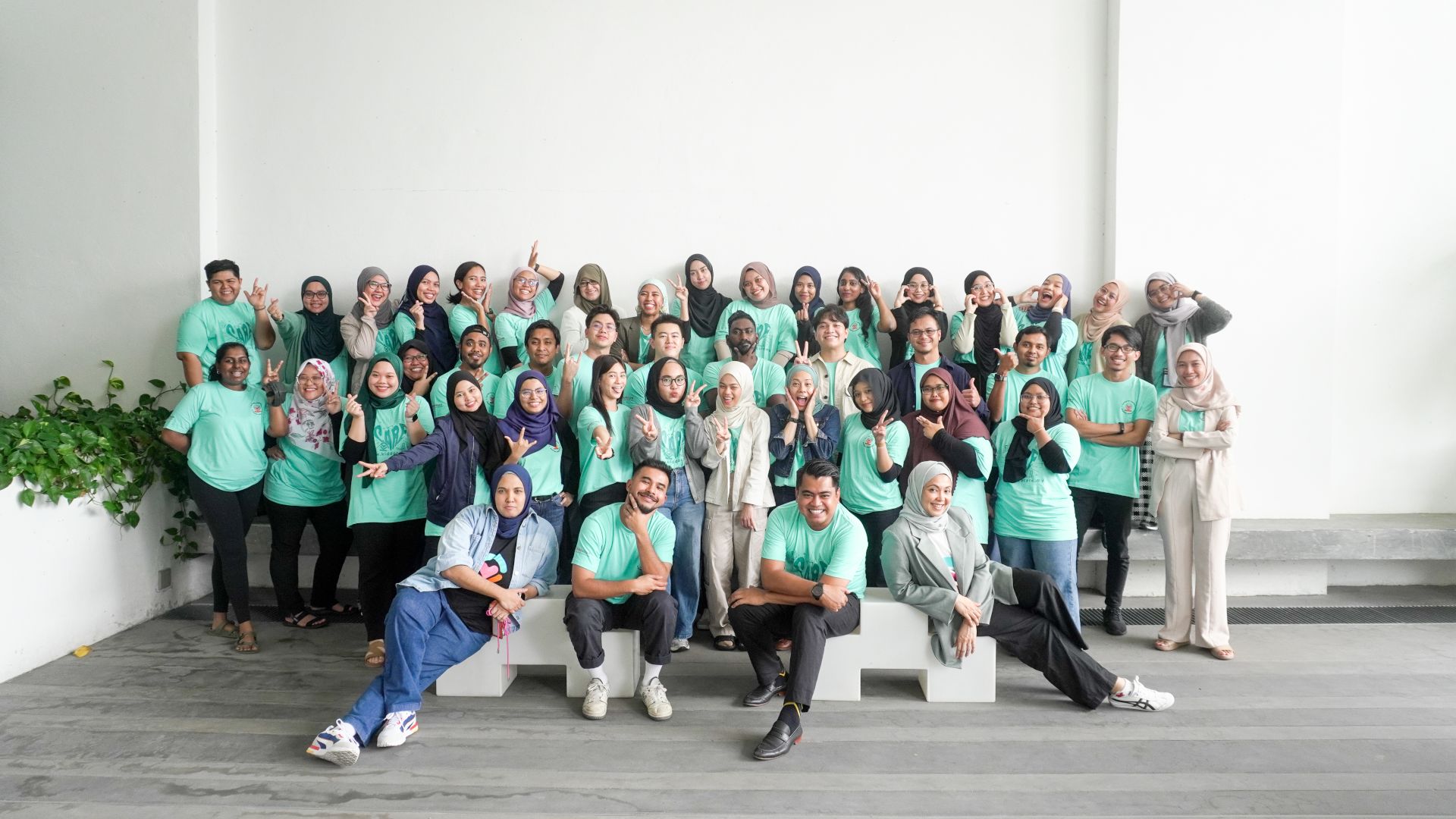
The growth since September 2023 reflects what the combination of capital, credibility, and professional infrastructure made possible. At the time of the investment, Kiddocare had a team of approximately twenty people and a caregiver network of around 5,000. By 2025, the team had grown to eighty full-time employees, and the caregiver network had expanded to more than 22,000. Revenue grew at least two-fold year on year. Nadira emphasised, without Khazanah’s Dana Impak, Kiddocare’s growth would have been much slower. The investment helped accelerate the pace of Kiddocare’s growth.
Looking Ahead
Scaling Impact, Scaling Care
Kiddocare’s immediate focus is on deepening what it has already built. The company is actively expanding its caregiver network, continuing to recruit and train caregivers across Malaysia to meet the growing demand from families nationwide. Alongside this, Kiddocare is developing the digital infrastructure that underpins its broader care ecosystem, including a care hub that helps parents locate and connect with government-registered childcare providers beyond the Kiddocare platform itself.
Regional expansion is part of Nadira’s longer-term plan. Kiddocare expects to expand regionally, guided by the same principle that shaped the platform from the start: care done right before it is done at scale.